

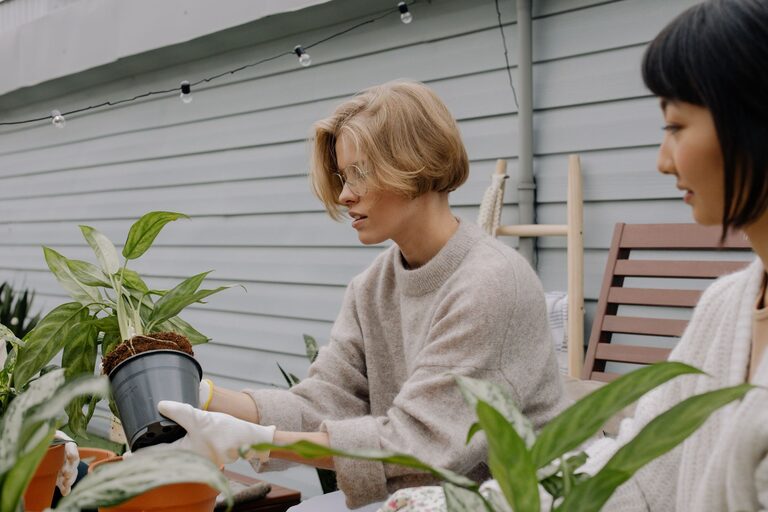
Creating a sustainable home garden is a wonderful way to connect with nature, cultivate fresh produce, and reduce your environmental impact. Whether you have a spacious backyard or a small balcony, sustainability in gardening encourages practices that support the health of your plants, soil, and the local ecosystem year-round. This guide offers practical tips to help you maintain a thriving and eco-friendly garden through every season.
Understanding Sustainable Gardening
Sustainable gardening focuses on minimizing waste, conserving resources, and promoting biodiversity. It means working with nature rather than against it, reducing the use of harmful chemicals, and choosing plants and materials that support the environment. With a thoughtful approach, you can create a garden that is both beautiful and beneficial for the planet.
Planning Your Sustainable Garden
Before planting, take time to plan your garden to make the most of your space and resources.
Choose Native and Adapted Plants
Native plants are naturally suited to your area’s climate and soil, making them easier to maintain and more resistant to pests. They also provide food and habitat for local wildlife, including bees and butterflies. When native options are limited, select plants adapted to your region, which will require less water and care.
Design for Year-Round Growth
Plan your garden to have something growing in every season by grouping plants with different growing times. This might include cool-season vegetables like kale and spinach in spring and fall, warm-season crops like tomatoes and peppers in summer, and hardy perennials or shrubs that provide greenery in winter.
Consider Compost and Soil Health
Healthy soil is the foundation of sustainable gardening. Incorporate organic compost to enrich your soil with nutrients, improve structure, and boost its ability to retain water. Regularly adding compost also reduces the need for chemical fertilizers.
Water Wisely
Water conservation is key to a sustainable garden. Here are some ways to manage water efficiently:
– Collect Rainwater: Use rain barrels to capture and store rainwater for watering your plants.
– Water in the Early Morning or Late Evening: This minimizes evaporation.
– Use Drip Irrigation or Soaker Hoses: These methods deliver water directly to plant roots, reducing waste.
– Mulch Your Garden Beds: Mulch helps retain moisture and prevents soil from drying out quickly.
Embrace Organic Practices
Avoid synthetic pesticides and fertilizers, which can harm beneficial insects, pollute water, and degrade soil health.
– Use Natural Pest Controls: Encourage beneficial insects like ladybugs or lacewings that prey on pests, or use homemade sprays made from garlic or neem oil.
– Rotate Crops: Changing plant families each season prevents soil nutrient depletion and disrupts pest life cycles.
– Plant Companion Plants: Certain plants support each other’s growth or help repel pests. For example, marigolds can deter nematodes and other harmful insects.
Extend Your Growing Season
A sustainable garden can produce fresh food and greenery throughout the year with creative techniques.
Cold Frames and Greenhouses
Cold frames are simple structures with transparent tops that protect plants from frost, extending the growing season into colder months. Small greenhouses can keep plants warm and create an ideal environment for seedlings and sensitive plants.
Crop Selection for Winter
Select hardy crops that can survive frost, such as Brussels sprouts, carrots, and Swiss chard. Some herbs like thyme and rosemary can also tolerate cooler temperatures.
Indoor Gardening
Use window sills or grow lights to raise herbs and seedlings indoors during the winter. This keeps your gardening hobby alive and provides fresh greens even when outdoor growth slows down.
Reduce Waste and Reuse Materials
Integrating waste reduction into your gardening efforts helps close the loop on resources.
– Compost Kitchen Scraps: Vegetable peelings, coffee grounds, and eggshells provide valuable nutrients.
– Reuse Containers: Old pots, buckets, or wooden crates can be repurposed as planters.
– Collect Seeds: Save seeds from your healthiest plants to grow next season, reducing the need to buy new seeds.
Support Pollinators
Pollinators like bees, butterflies, and hummingbirds are vital for plant reproduction.
– Plant a Variety of Flowers: Select different colors and shapes to attract diverse pollinators.
– Provide Water: A shallow dish with clean water and stones for perching helps keep pollinators hydrated.
– Avoid Pesticides: Protect these beneficial insects by using organic pest control methods.
Maintain Your Garden Responsibly
Regular care keeps your garden productive and sustainable.
– Prune and Thin Plants: Proper pruning encourages healthy growth and reduces disease risk.
– Monitor Soil Health: Check soil moisture and amend with compost as needed.
– Keep Garden Tools Clean: Clean and disinfect tools to prevent spreading diseases between plants.
Benefits of a Sustainable Year-Round Garden
A garden maintained with sustainability in mind offers many rewards:
– Fresh, organic produce throughout the year.
– Reduced water and energy consumption.
– Enhanced biodiversity and habitat for wildlife.
– A satisfying hobby that promotes physical and mental well-being.
– Lower overall gardening costs through resourceful practices.
Final Thoughts
Creating and maintaining a sustainable home garden throughout the year is both enjoyable and beneficial for you and the environment. By planning thoughtfully, conserving resources, and embracing organic methods, your garden can flourish in harmony with nature. Start small, stay consistent, and watch your sustainable garden grow season after season. Happy gardening!