

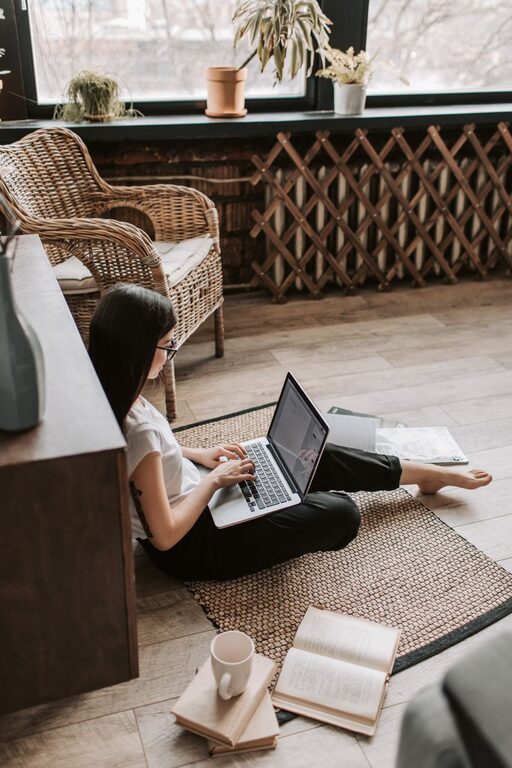
Creating a relaxing home office environment is essential for anyone who spends significant time working from home. A calm and comfortable space can improve focus, reduce stress, and increase productivity. Whether you have a dedicated room or a small corner in your living space, applying a few thoughtful changes can transform your workspace into a retreat that inspires both creativity and efficiency.
Why a Relaxing Home Office Matters
Working at home comes with unique challenges, such as distractions, blurred work-life boundaries, and sometimes, a lack of motivation. A well-designed, relaxing office helps you stay organized and focused and promotes mental wellbeing. When your environment supports calm and comfort, you are more likely to feel satisfied with your workday and avoid burnout.
Key Elements of a Relaxing Home Office
1. Choose the Right Location
Pick a spot in your home that offers natural light and minimal distractions. If possible, choose a room with a door to separate work from leisure. If space is limited, a quiet corner with room for your essentials is better than working from a high-traffic area.
2. Optimize Lighting
Natural light is the best choice for your workspace. It can boost your mood and reduce eye strain. Position your desk near a window if possible. Supplement with adjustable desk lamps or floor lighting that provide warm, soft light — avoid harsh, overhead fluorescents.
3. Invest in Comfortable Furniture
Comfort is critical for long work hours. Choose a supportive office chair with adjustable height and good lumbar support. Your desk should be at a height that keeps your wrists straight while typing and allows your feet to rest flat on the floor.
4. Keep the Space Organized
Clutter can increase stress and distract from your focus. Use organizers like trays, shelves, and filing systems to keep papers, supplies, and electronics tidy. A clean workspace helps create a sense of calm and control.
5. Incorporate Soothing Colors
Colors influence mood significantly. Soft neutrals like beige, light gray, or pale blue promote calmness. You can add small pops of brighter colors through accessories like artwork, cushions, or plants to maintain a lively yet peaceful vibe.
Practical Tips to Enhance Relaxation
Use Plants and Natural Elements
Adding greenery to your desk or room can reduce stress and improve air quality. Choose low-maintenance plants like succulents, pothos, or snake plants. Natural wood textures or stone decor pieces can also add warmth and a calming effect.
Add Personal Comfort Items
Incorporate items that bring you joy or calm, such as a favorite mug, a cozy blanket, or a small essential oil diffuser with scents like lavender or eucalyptus. These little comforts help make your workspace feel inviting.
Manage Noise Levels
If outside noise is distracting, try noise-canceling headphones or play soft background music or nature sounds. You could also invest in soundproofing elements like rugs, curtains, or door seals.
Take Breaks and Stretch
Schedule short breaks throughout your day to stretch and move. This can help reduce tension and refresh your mind. Set a timer if needed to remind yourself to step away from your desk regularly.
Create a Relaxing Routine
Start and end your work session with calming habits. This might include light stretching, deep breathing exercises, or tidying your desk at the end of the day. A consistent routine signals to your brain when work starts and ends, helping to reduce stress.
Organizing Technology Wisely
Cable Management
Untidy cables can make your workspace look messy and cause stress. Use cable clips, sleeves, or boxes to keep cords neat and out of the way.
Monitor Placement
Place your computer screen at eye level to avoid neck strain. Use a stand if necessary. Positioning your monitor properly encourages good posture and reduces fatigue.
Use Tools That Help You Focus
Apps for time management or blocking distracting websites can keep you on track. Make sure your technology setup supports your workflow without adding complexity.
Final Thoughts
A relaxing home office environment is more than just aesthetics; it’s about creating a space that supports your wellbeing, productivity, and comfort. Small improvements like better lighting, comfortable furniture, decluttering, and thoughtful personal touches make a significant difference. By intentionally designing your workspace, you set yourself up for a successful and enjoyable work-from-home experience.
Remember, your home office should be a place where you feel calm, focused, and motivated. Take time to personalize it, and don’t hesitate to make adjustments as your needs change. A relaxed environment fosters not only better work performance but also a healthier mindset.