

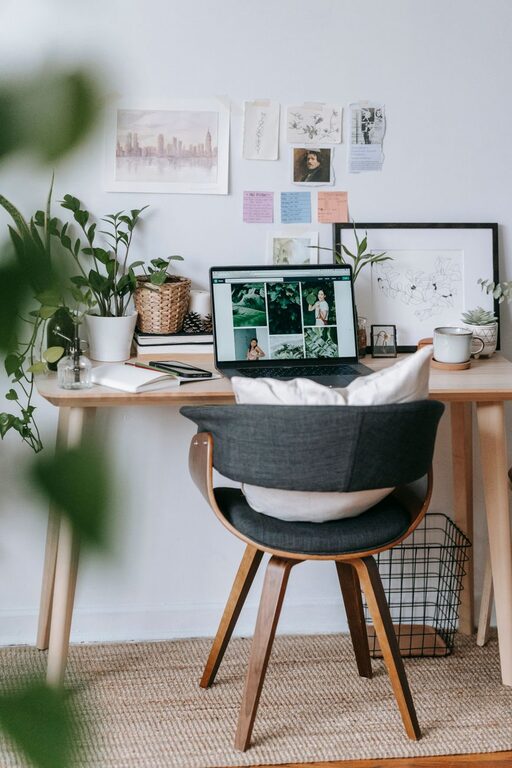
Creating a productive home office space has become essential for many people, especially as remote work and flexible schedules become more common. A well-organized and comfortable workspace can significantly enhance your focus and efficiency. Whether you have a dedicated room or a small corner in your living area, these tips will help you design an office setup that supports your best work.
Choose the Right Location
The first step in creating a productive workspace is choosing the right spot in your home. Ideally, select a quiet area with minimal distractions and good natural light. A room with a door you can close is often best to separate work from personal life.
If space is limited, find a corner or nook where you can place a desk. Avoid high-traffic zones like the kitchen or living room. Establishing a distinct boundary between work and relaxation areas helps your brain switch into “work mode.”
Invest in Ergonomic Furniture
Comfort is key when setting up your home office. Choose a desk and chair that support good posture to avoid aches and fatigue. An ergonomic chair with adjustable height and lumbar support makes a big difference, especially if you work long hours.
Your desk height should allow your arms to rest comfortably at a 90-degree angle while typing. Consider a standing desk or an adjustable sit-stand workstation if you want to alternate your posture during the day.
Optimize Lighting
Good lighting reduces eye strain and increases alertness. Natural light is ideal, so position your desk near a window when possible. If natural light is limited, invest in quality artificial lighting. A combination of ambient light and a focused desk lamp works well.
Choose bulbs that mimic daylight with a color temperature around 5000K. Avoid harsh overhead fluorescents that can cause headaches and glare on computer screens.
Declutter and Organize
A tidy workspace helps clear your mind and keeps distractions at bay. Use organizers like trays, shelves, and drawer dividers to store supplies neatly. Keep only essential items on your desk to maintain a clean surface.
Cable management is another important aspect. Use cable clips, ties, or sleeves to keep cords from tangling. This not only improves the look of your workspace but also reduces tripping hazards.
Personalize Your Space
Adding personal touches can make your home office more inviting and motivating. Display photos, plants, or artwork that inspire you. Choose colors and decor that make you feel comfortable and energized.
However, avoid excessive decorations that could become distractions. The goal is to create a space that feels pleasant yet conducive to focus.
Minimize Noise and Interruptions
Noise can seriously impact concentration. If your workspace is noisy, consider using noise-canceling headphones or a white noise machine to block distractions. Inform family members or roommates of your working hours to minimize interruptions.
If privacy is limited, try creating visual boundaries using room dividers or curtains for a sense of separation.
Establish a Routine
Even the best workspace is less effective without a good routine. Set regular working hours and stick to them. Start your day with a quick tidying of your desk to prepare mentally for work.
Take short breaks to stretch and move around, helping to maintain energy levels and reduce stress. Use timers or apps to remind yourself to pause and avoid burnout.
Utilize Technology Wisely
Modern tools can boost productivity when used effectively. Position your computer monitor at eye level to reduce neck strain. Use multiple screens if your work involves multitasking.
Keep digital files organized with clear folder structures and backup your data regularly. Also, limit distractions by silencing non-urgent notifications during focus periods.
Maintain Good Air Quality
A fresh environment supports alertness and well-being. Open windows regularly to let in fresh air. Add indoor plants to improve air quality and add a touch of nature.
Make sure your office is well-ventilated and avoid working in overly warm or cold spaces, as discomfort can hurt productivity.
Final Thoughts
Designing a productive home office space is about creating a balance between comfort, functionality, and inspiration. By choosing a good location, investing in ergonomic furniture, organizing your supplies, and managing distractions, you’ll set the stage for better focus and work quality. Remember that small tweaks can make a big difference, so adjust your setup as needed to find what works best for you.